How to Choose a Birthday Gift for a Friend Who Says She Has Everything
The phrase 'she has everything' often means you do not yet know what would be useful or welcome. A better decision starts with the friend's preferences, space and relationship to gifts. This guide compares categories and gives a practical choosing method; it does not claim to have tested products.
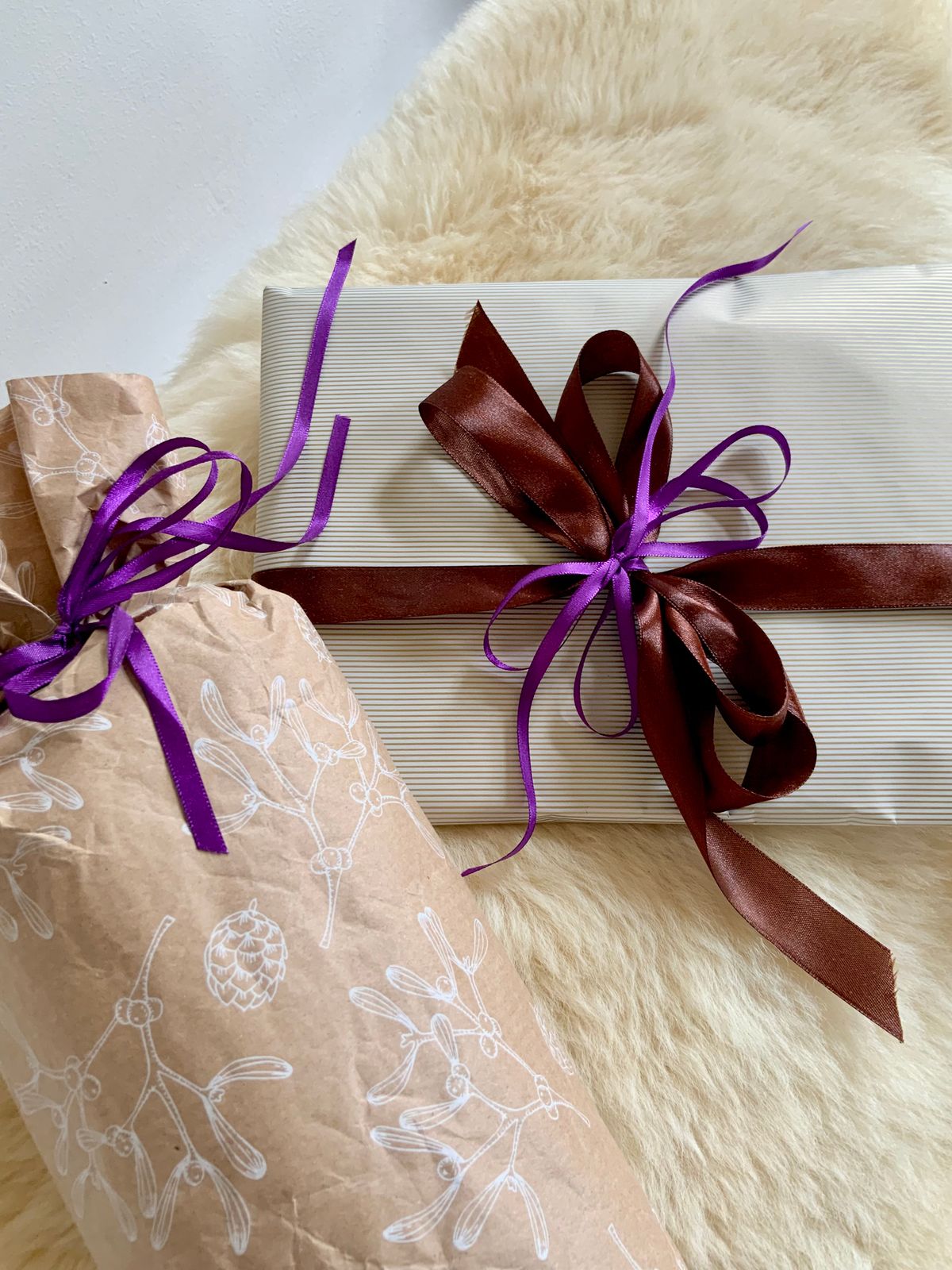
Photo: Pexels · License. Illustrative stock photography; pictured people, products and settings are not claimed to demonstrate this exact guide or endorse this publication.
Start with the actual decision
Clarify whether your friend enjoys physical gifts, experiences, consumables or a simple shared celebration. Notice what she actually uses and mentions rather than guessing from a broad demographic label. A woman who enjoys travel may not want more travel accessories, and someone with a hobby may already own specialized equipment. Respect a genuine request for no gifts instead of treating it as a puzzle to defeat with a more expensive surprise.
Prepare the working information
Write three recent interests or routines, one practical constraint and a total spending ceiling. Include packaging and delivery in that ceiling. Consider space, scent preferences, food requirements, subscriptions and schedule flexibility. Keep private observations respectful; the goal is to choose well, not investigate accounts or ask other people for sensitive information. If you are unsure, a direct question about categories can be more thoughtful than an elaborate guess.
A worked example you can adapt
Suppose an illustrative $40 ceiling covers the gift and all extras. You might allocate $28 to the item or activity, $5 to packaging and a card and $7 to delivery or an agreed travel cost. These are sample allocations, not current prices. If delivery costs more, choose a smaller item, a local option or a different format rather than silently exceeding the ceiling. Compare the complete gesture, including the work it creates for the recipient.
Follow the sequence in order
Make a shortlist of three categories tied to genuine preferences. Remove any option that requires unknown sizing, a new subscription or storage she does not have. Check seller identity, total cost, delivery and return conditions before purchasing. Add a short note connecting the choice to something real: a conversation, shared activity or routine. Plan the handoff at a convenient time and keep purchase evidence separate from the personal message.
Choose between the realistic options
Choose a consumable only if the relevant tastes and requirements are known. Choose an experience only if the location, dates and booking process are practical. Choose a physical item when it fills a stated gap or fits an established preference without imposing another task. A shared afternoon can be thoughtful, but do not present a vague promise that requires her to organize everything. Offer a concrete flexible plan and an easy way to decline.
A ready-to-adapt message
A note might say: 'You mentioned enjoying quiet Sunday sketching, so I chose something for that small ritual. There is no need to save it for a special occasion. If another version would suit you better, I included the exchange details separately.' Replace the example with the actual connection. Avoid claiming that the gift will fix stress, transform a life or prove how well you know her.
Catch the common failure points
Do not buy a generic 'for women' bundle with unknown scents or skincare simply because it looks gift-ready. Avoid an item that needs expensive accessories to function. Watch for personalized products that cannot be returned and delivery promises that leave no margin. The FTC's online-shopping guidance supports checking total cost and policies; a gift label does not make a purchase automatically exchangeable. Keep the recipient's address private when arranging delivery.
Build a fallback and finish the handoff
Give the gift without demanding an immediate public reaction. If it is an experience, make the next action easy and clarify any limits. Keep the receipt until the recipient has had a reasonable chance to use exchange options. Do not repeatedly ask whether she used it. A successful gift supports her preferences and the relationship, not a performance of gratitude or a new obligation to display an object.
Use a three-option comparison
Write 'fits her routine,' 'creates work,' 'needs unknown information' and 'complete cost' beside each option. For example, a specialized hobby tool may score well on interest but badly on unknown specifications; a flexible local experience may fit better if the schedule is easy. The comparison is an editorial aid, not a numerical prediction of happiness. Choose the option with the fewest unresolved assumptions, or ask a focused question before buying.
Your working checklist
Checkmarks stay in this browser when storage is available. They do not submit information or complete a purchase.
Put it into practice
- Confirm whether gifts are welcome.
- List real interests and practical constraints.
- Shortlist three categories rather than many random products.
- Remove options requiring unknown sizes or ongoing costs.
- Check complete cost, delivery and return conditions.
- Give the gift with a specific note and no reaction requirement.
Before you finish
- The choice connects to a real preference.
- The recipient does not inherit hidden cost or unnecessary work.
- The complete gesture fits the spending ceiling.
- Exchange or booking details are easy to find.
Common questions
Should I ask what she wants?
Yes, particularly when preferences are specific or gifts are difficult to exchange. You can ask about categories or offer two possibilities while keeping the final choice a surprise. Thoughtfulness does not require avoiding every direct question.
Is money or a gift card too impersonal?
It depends on the relationship and recipient. A useful flexible option with a specific personal note can be more considerate than an unwanted object. Check the card's seller and terms rather than assuming every card works everywhere.
What if she says no gifts?
Respect the request. A warm message or an agreed shared activity may be welcome, but do not reinterpret a clear boundary as an invitation to find a more impressive exception.
Should the gift be expensive to feel special?
No. A clear connection, convenient handoff and attention to practical needs can matter more than price. Keep spending within your own means and avoid creating pressure for an equally expensive return gift.