Gift Closet Inventory and Annual Budget: Avoid Duplicate Purchases and Forgotten Presents
A small gift inventory can save repeated shopping, but a cupboard full of generic items is not automatically useful. The system should help match a wanted gift to a real occasion and protect your budget. Keep private notes respectful and avoid treating people as annual purchase obligations.
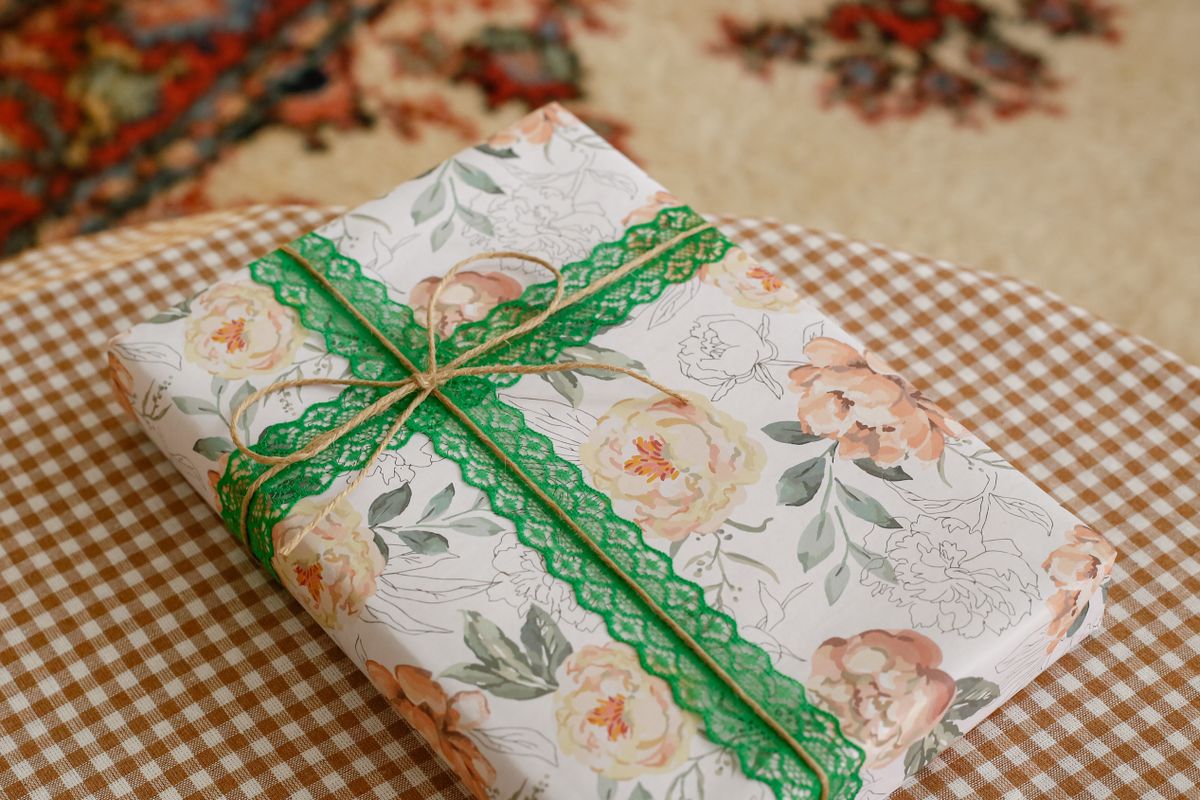
Photo: Pexels · License. Illustrative stock photography; pictured people, products and settings are not claimed to demonstrate this exact guide or endorse this publication.
Start with the actual decision
List occasions you genuinely intend to mark and decide which need a physical gift, a message or shared time. Set an annual amount within your means, then leave room for unplanned occasions if desired. Do not assume every invitation requires a purchase. Agree any family or friend exchange boundaries directly. The inventory exists to reduce duplicate spending and forgotten items, not to encourage buying everything on sale.
Prepare the working information
Use fields for occasion, date, recipient, preferred category, complete ceiling, item owned, intended recipient, storage location, purchase date, return deadline if relevant and status. Keep addresses and sensitive information elsewhere with appropriate privacy. Label stored items so another person does not mistake a reserved gift for household stock. Record any expiry, battery or care requirement; not every consumable or product is suitable for long storage.
A worked example you can adapt
Suppose an illustrative annual plan reserves $300 across several occasions and $50 for unexpected gestures. A $20 sale item still reduces the available total when bought, even if it is not yet assigned. If three unassigned items total $60, the sheet should show that committed stock clearly. These figures are arithmetic examples. A discount does not create savings if the item remains unused or unsuitable for every actual recipient.
Follow the sequence in order
List intended occasions, set complete ceilings and inspect what you already own. Assign suitable existing items before buying more. Store each gift with its purchase evidence or a clear reference, keeping private prices separate from the personal card. Review the inventory before an occasion and confirm the recipient still wants the category. Update status when given and remove or reassign unsuitable stock deliberately rather than forgetting it behind newer purchases.
Choose between the realistic options
Keep a small supply of neutral presentation materials if you regularly use them. Buy gifts ahead only when preference, storage and return limitations make sense. Personalized, sized or trend-dependent items can be difficult to hold for a distant occasion. A modest unassigned card supply may be useful; a shelf of unknown scents or electronics with aging compatibility is less flexible. Compare the real likelihood of use, not the size of a sale discount.
A ready-to-adapt message
For an agreed exchange boundary, say: 'I would love to keep birthdays simple this year, with a card or a shared coffee rather than a large gift exchange. Would that feel good to you?' Replace the format with what you genuinely want. For shared household planning, use neutral inventory labels rather than notes judging how much another person has spent on you.
Catch the common failure points
Avoid storing food, batteries or delicate materials without checking actual conditions and shelf-life guidance. Do not hide personal spending from a shared budget you have agreed to track. Watch for return windows expiring long before the recipient can inspect the gift. An item that no longer fits should not be given solely because it is already owned. Reassign, return or pass it on through an appropriate actual route.
Build a fallback and finish the handoff
Review the system periodically and before major occasions. Reconcile purchases with the annual ceiling and identify unassigned stock. Use or responsibly pass on suitable surplus rather than carrying it forward indefinitely. Remove unnecessary personal details from old records. A successful gift closet is small enough to understand, with items that have a purpose and a clear handoff, rather than an impressive quantity of bargains.
Use a reserved-versus-available label
Mark each physical item as reserved for a named occasion or genuinely available for a future choice. Do not count the same item as both. Add the storage location and any relevant time limit. This simple distinction prevents buying a second gift because you forgot the first, and prevents accidentally giving away something already promised. It also makes unassigned spending visible before another sale purchase.
Your working checklist
Checkmarks stay in this browser when storage is available. They do not submit information or complete a purchase.
Put it into practice
- Decide which occasions need which kind of gesture.
- Set annual and complete per-occasion limits.
- Inventory existing items before buying.
- Reserve stock for actual recipients where suitable.
- Review preference and condition before giving.
- Reconcile spending and clear unsuitable surplus.
Before you finish
- Unassigned purchases still appear in the spending total.
- One item is not reserved for two occasions.
- Stored contents remain suitable under actual product guidance.
- The system respects agreed exchange boundaries.
Common questions
Should I buy gifts whenever they are discounted?
Only when there is a realistic use and the complete cost fits your plan. A low price does not make an unsuitable or unassigned item a saving. Check storage and return limitations.
What belongs in a gift closet?
Keep a small set of items you genuinely expect to use and appropriate presentation supplies. Avoid treating it as a warehouse of generic demographic gifts. Preferences and circumstances can change.
Can I track what others give me?
A discreet thank-you record can be useful. Avoid using values to keep a generosity score or determine what someone deserves. The system should support care and follow-through, not comparison.
How often should I review it?
Choose a manageable rhythm and check before buying for an occasion. The useful frequency depends on how much stock you keep. A small clear inventory is easier to maintain than an elaborate system you stop updating.