How to Wrap an Awkward-Shaped Gift Without Forcing Paper Around It
An irregular gift is easier to present when you choose a suitable container before folding paper. The object may need support, cushioning or a clear opening route. This guide compares presentation methods; separate shipping protection is needed if the gift will travel by carrier.
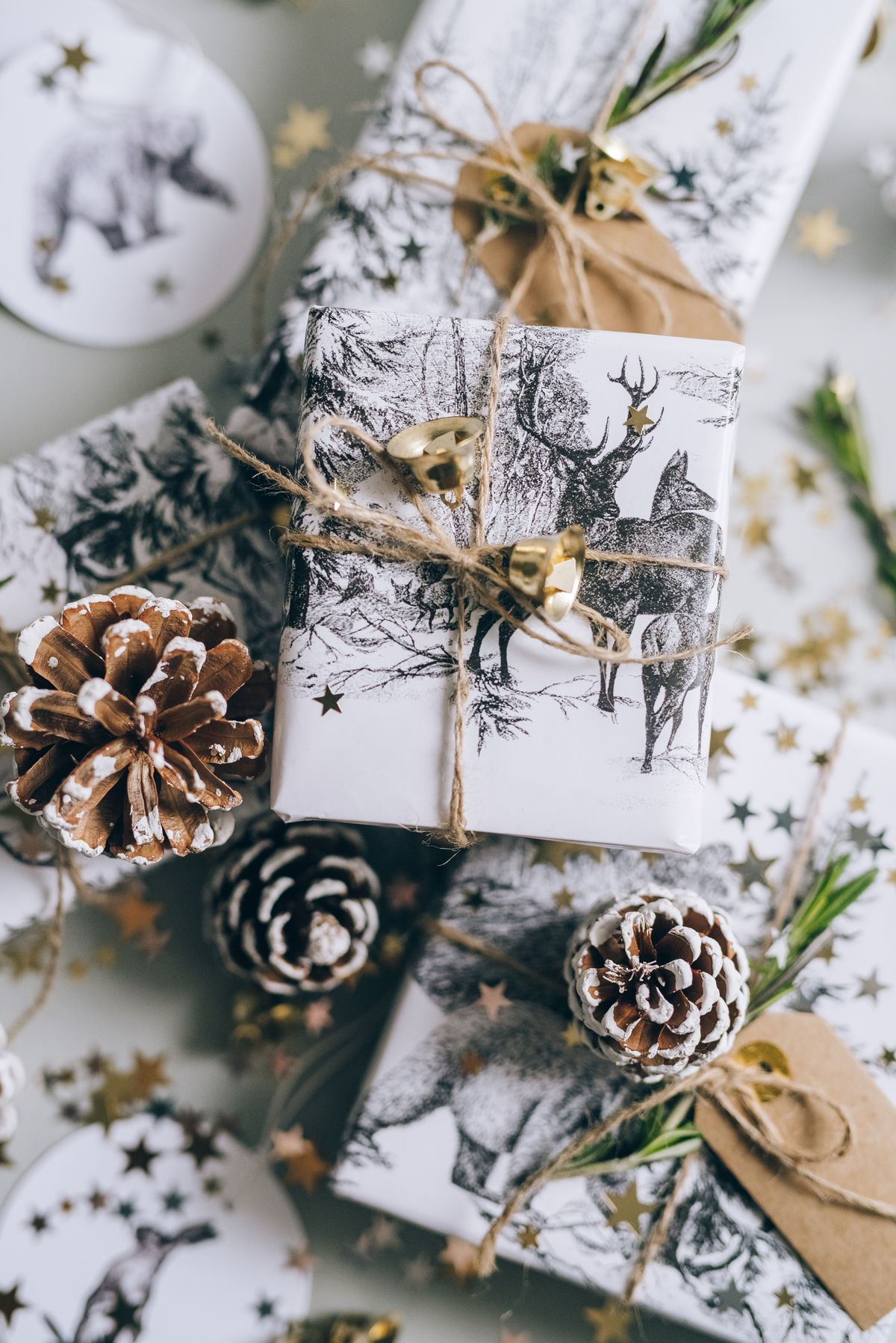
Photo: Pexels · License. Illustrative stock photography; pictured people, products and settings are not claimed to demonstrate this exact guide or endorse this publication.
Start with the actual decision
Identify what makes the object awkward: protruding parts, a soft shape, weight, fragility or an uneven base. Check whether any moving or detachable component needs securing according to the item's instructions. Do not tape directly onto a delicate surface. Decide how the recipient should open it without pulling on a fragile part. A neat container can be more considerate than a dramatic shape wrapped too tightly.
Prepare the working information
Measure the widest and tallest points and check the item's weight. Gather a suitable box or bag, appropriate internal support, paper or cloth, tape for the packaging and a tag. Use clean materials suitable for the item. Keep food in appropriate original or food-safe packaging rather than loose decorative tissue. If the item is fragile, distinguish cushioning that protects it from paper that only hides it.
A worked example you can adapt
For a fictional small ceramic object with a projecting handle, a box with appropriate cushioning is usually easier to manage than paper pulled tightly around the handle. A soft scarf may suit a supported gift bag, while a stable nonfragile object can use a simple reusable cloth wrap. These are method comparisons, not guarantees for particular objects. Test the actual support and opening before adding decoration.
Follow the sequence in order
Prepare the object and remove unnecessary outer price labels without losing useful instructions. Choose the container and test the fit. Add appropriate support so the object does not shift or press against a fragile projection. Close the container, then decorate its stable outer shape. If using a bag, check handles and base suitability for the weight. Place the personal card where it can be found before packaging is discarded.
Choose between the realistic options
Choose a box for fragile or complex shapes when suitable protection is available. Choose a bag for items its base and handles can genuinely support. Choose cloth for an object that can be wrapped without damaging or concealing a necessary support. Do not assume reusable cloth is always the best option; it should be wanted or easily reused. If no method feels stable, ask a suitable packing provider rather than improvising a risky presentation.
A ready-to-adapt message
An opening note can say: 'Please lift the inner box rather than pulling the handle. The card is on top, and the exchange information is in the small envelope.' Use only instructions relevant to the actual item. For a reusable container, state whether it is part of the gift; do not create an unspoken obligation to return a decorative basket the recipient assumed they could keep.
Catch the common failure points
Avoid stuffing every gap with small loose decorations that may be lost or unsuitable around children. Do not lift a heavy gift by paper or thin ribbon. Watch for bags that look large enough but have a weak base. A lumpy package is not improved by so much tape that the recipient needs to cut close to the object. Keep scissors and blades away from the item during both packing and opening.
Build a fallback and finish the handoff
Lift and move the packaged gift in the way it will actually be carried, without deliberately stressing fragile contents. Check that support remains in place and the tag does not fall off. If shipping, use an appropriate outer parcel and current carrier guidance. Save only reusable materials you will genuinely use. The finished presentation should make the object easier to receive, carry and open, not merely conceal its shape.
Plan the opening backward
Imagine the recipient removing the tag, opening the outer layer and lifting the item. Identify the point where they might grab a fragile projection or mistake cushioning for part of the gift. Add a simple instruction or change the container so the safe action is obvious. This reverse walkthrough is especially useful for gifts in several layers and for recipients who prefer an easy-open arrangement.
Your working checklist
Checkmarks stay in this browser when storage is available. They do not submit information or complete a purchase.
Put it into practice
- Identify the object's fragile points and carrying needs.
- Measure before selecting the container.
- Test support without taping the object itself.
- Decorate the stable outer shape.
- Check carrying and opening methods.
- Add separate shipping protection if a carrier is involved.
Before you finish
- The container supports the actual weight.
- The recipient can find the opening without cutting near the gift.
- Fragile projections do not bear the packaging load.
- Reusable containers have a clear ownership arrangement.
Common questions
Can I use a gift bag for anything?
No. Check its base, handles and weight suitability. A bag can hide a shape without supporting it. Fragile or heavy items may need a different container and appropriate internal protection.
Should I keep the original product box?
It can be useful for fit, instructions and returns. Check that it provides the support needed for your handoff, and do not assume retail packaging alone is suitable for carrier transport.
Is cloth wrapping hard?
A simple wrap can be manageable for a stable nonfragile shape, but choose a method suited to the object. It should not pull on delicate parts or require the recipient to untie a difficult knot.
What if the gift is too large to wrap?
A card, simple removable covering or planned reveal can be enough. Do not build unstable decorative packaging around a large object merely to hide it. Arrange delivery and placement with the recipient.